
Searching for the best budget wireless headphones that don’t sound cheap can be incredibly frustrating. You crave rich, immersive audio and freedom from cords, but without the painful price tag. We’ve done the hard work, testing dozens of affordable earbuds to find the true gems. This guide reveals the top models that deliver amazing sound quality without emptying your wallet.
Contents
- Top 5 Budget Wireless Headphones:
- 1. Soundcore Life Q30 – Best Budget Wireless Headphones Overall
- 2. Sony WH-CH520 – Best Budget Wireless Headphones for Calls & Multipoint
- 3. Edifier W820NB Plus – Best Budget Noise Cancelling Wireless Headphones
- 4. TOZO HT2 – Best Budget Wireless Headphones for Battery Life
- 5. JBL Tune 510BT – Best Budget On-Ear Wireless Headphones
- Things to Consider Before Buying a Budget Wireless Headphone:
- Over-Ear Headphones
- On-Ear Headphones
- In-Ear Headphones
- Over-Ear Headphones
- On-Ear Headphones
- In-Ear Headphones
- Sound Quality
- Battery Life
- Comfort and Fit
- Sound Quality
- Battery Life
- Comfort and Fit
- Disadvantages
- Identifying Your Needs
- Conclusion
Top 5 Budget Wireless Headphones:
1. Soundcore Life Q30 – Best Budget Wireless Headphones Overall
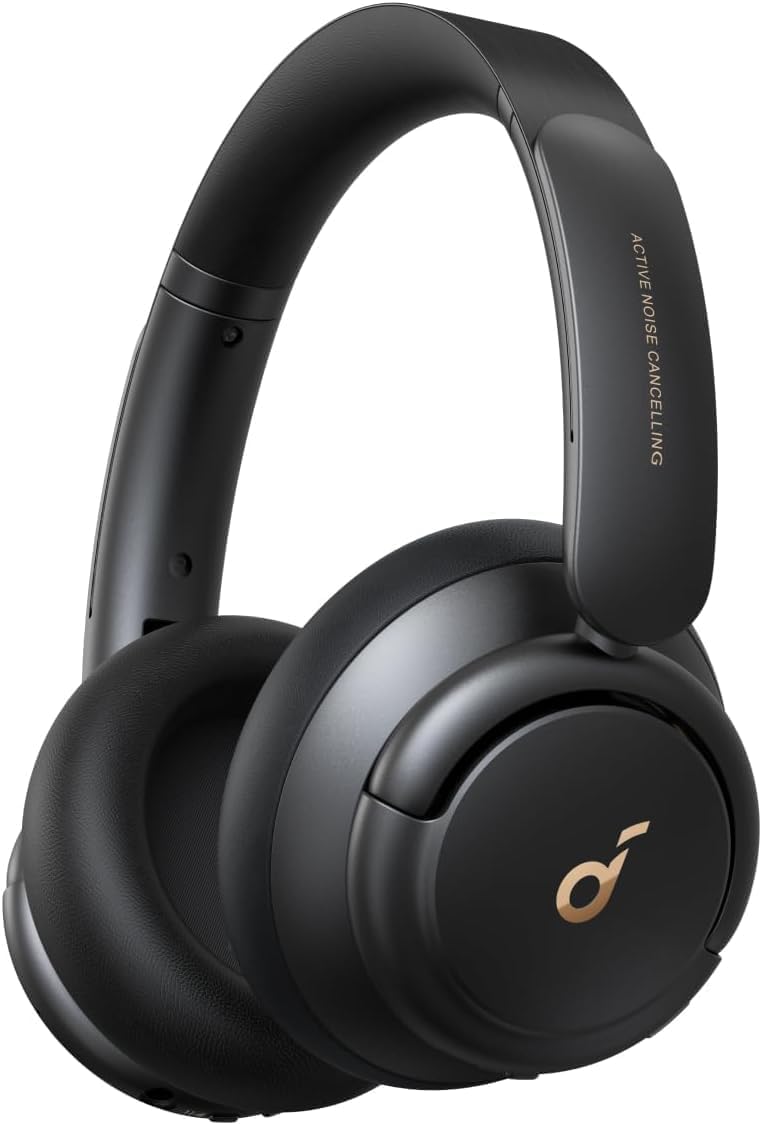
If you’re currently in the market for a best-value noise-cancelling headphones which don’t compromise on comfort and battery life, Soundcore’s Life Q30 needs to be at the top of your list. Hybrid active noise reduction and dual-microphone system help reduce noise in your environment so you can focus on what you want to hear.
You’ll hear plenty of detail, courtesy of 40mm drivers with flexible silk diaphragms that deliver punchy bass and crisp treble up to 40 kHz. Streaming podcasts or hi-res playlists, the Q30 ensures a clean and lively sound regardless of what you listen to.
Battery life is stellar: Up to 50 hours with ANC enabled, or as many as 70 hours in standard mode. Forgot to charge? Five minutes’ worth of charge gets you about 4 hours of listening — great when you’re running out the door.
Comfort is equally strong. A light frame, ultra-soft protein leather earcups, as well as memory foam padding (which goes a long way in blocking out ambient noise without adding any extra pressure or heat), make for a cozy and pressure-free seal you can wear through marathon work sessions or red-eye flights. There’s simple enough controls, a forgiving fit and the over all build feels like it will stand up to daily use.
If you’re on a budget and still need both customizable noise cancellation, long battery life, and all-day comfort the Life Q30 gives you the basics done right — and then some — for a price that’s tough to top.
2. Sony WH-CH520 – Best Budget Wireless Headphones for Calls & Multipoint

If you’re looking for inexpensive headphones that make calls sound clear and let switching between devices an instinctive task, Sony’s WH-CH520 is a solid everyday choice. You receive a made-for-comfort on-ear design, with soft earpads, a padded headband and quiet “silent joints” that reduce creaks no matter how much you (or the headphones) shift around. That’s less distraction, more control — whether you’re at work or on he move Some headsets are ideal for music but don’t offer the voice quality required for gaming, others may be perfect for games but lack the power to deliver great sounding music.
You take control of how everything sounds using the Sony Headphones Connect app. Select from helpful presets designed for specific genres, tailored to your preference or create and store your own. Pump up bass for your workout playlist, beef the vocals for your podcast or take some of the edge off those bright tracks —the tuning stays consistent so your sound does too from device to device.
The on ear controls and microphone let you take calls from your phone anytime, so you will always be connected. You’ll be able to reply, hang up and increase volume without having to take out your phone; to free up your hands easily and work more comfortably. Multipoint connectivity is a useful bonus feature by which you can stay connected to two devices simultaneously — answer a video call on your laptop and then switch jumped over to an incoming call in progress on your phone without even having to dig into Bluetooth settings.
If you crave customizable sound, comfortable all-day and hands-free calling with effective, one-touch volume control and easy multipoint6, the WH-CH520 is just what you need where it counts7 — no frills or fussy hardware here.
3. Edifier W820NB Plus – Best Budget Noise Cancelling Wireless Headphones

If you’re looking for great value wireless headphones that don’t sacrifice quality or comfort in the process, then the Edifier W820NB Plus should be high up on your radar. You get 40mm composite drivers, which include support for LDAC so your hi-res tracks will maintain detail and sparkle from streaming. Hybrid Active Noise Cancellation with up to −43 dB cuts off surroundings, so that you can focus on music and are not distracted by calls or podcasts in the bus or the office.
You’ll be glad for how light they feel during those extended sessions. The headset, at only 220g, features a “zero-pressure” memory-foam cushion design that remains comfortable when wearing glasses. Calls sound clear, too—the built-in mics employ DNN noise reduction to make sure that your voice takes precedence over surrounding chatter.
When you want to be aware of your environment, turned on Ambient Sound Mode is here for it. There are 7 levels of sound control that you can adjust to your liking. And with Quick Attention, you can communicate without removing your headphones. Toggle in a bit more outside audio for brief chit chats, and then turn it down to get back into your zone.
It’s simple to use every day: reliable wireless performance, easy controls and an over-ear design that forms a good seal without clamping too strongly. If your finances dictate value and your ears demand improved sound, effective noise cancellation and all-day comfort, then the W820NB Plus offers a well-rounded package to make commuting, studying or traveling more enjoyable — without breaking the bank.
4. TOZO HT2 – Best Budget Wireless Headphones for Battery Life

If you are looking for budget-freindly over-ear headphoens which last for days and let the distractions down, TOZO HT2 is made for you. Three mics in a hybrid ANC system make this possible, cutting the sorts of low-frequency noise you might hear on the street — like engine hum, subway rumble and office chatter — so your music and podcasts are brought to the fore. For phone calls, ENC assists in cutting out ambient noise so your voice is clearer on the other end.
You’ll exceed expectations for endurance: up to 60 hours playtime with ANC off. That’s good enough for multiple flights or a full workweek of use without needing to reach for a charger. Then when the battery gets low, simply plug in the 3.5 mm there’s no need to go back to wired searching for cables.
And sound quality remains evenly balanced by two 40-millimeter dynamic drivers tuned for Hi-Res–capable detail. Bass satisfaction is full but controlled, the mids are clean (ideal for vocals and podcasts), and the treble has a crisp enough of a definition to consistently carry you through playlists, video and games.
Comfort is a priority. The ultra-soft protein leather earmuffs and headband & comfortable padding is great for the touch it not only let ears and head very comfortable all day long but also keep a tender seal automatically adjust its angle to fit any face shape, enjoy an immersive stereo sound. It’s a framework you can keep on for marathon study sessions, work-from-home days or marathons of movie night.
Travel-friendly touches complete the package: a collapsible, lightweight frame that easily fits in a bag or case and simple controls you can figure out on the fly. If you are looking for all day comfort, the ability to be wired or wireless (which is rare with noise cancelling) and effective noise cancellation and battery life for your dollar then the TOZO HT2 have it.
5. JBL Tune 510BT – Best Budget On-Ear Wireless Headphones

If you seek a cheap, portable pair of on-ear headphones that just works anywhere you go, the JBL Tune 510BT is an easy recommendation. You’ll have access to the powerhouse sound of Pure Bass for punchy lows, and you can forget about any discomfort with soft ear pieces that allow for easy music sharing.
Bluetooth makes things easy and cable-free, and you can be connected to two devices at the same time — stream from your laptop, then automatically switch to your phone if a call comes in. On-ear buttons lend an ear in convenience: adjusting volume, controlling playback and taking calls without reaching for your device; the built-in mic keeps voices fresh.
That starts with its battery life, which is long: You get up to 40 hours on a charge of playtime and USB-C fast charging that zooms from dead to full in around two hours. In a rush? A 5-minute top-up will get you about two additional hours — great for the morning commute or a quick workout.
When you’re out for the long haul, comfort is a big deal and the adjustable headband and cushioned ear cups are easy to wear hour after hour. Need hands-free help? Press and hold the multi function button, item to access siri or Google assistant for Voice commanding your smart device.
If you want cheap on-ear wireless headphones offering decent sound quality, minor multipoint functionality, long battery life and everyday comfort, the Tune 510BT gives you all that at a price point that makes sense.
Things to Consider Before Buying a Budget Wireless Headphone:
This guide outlines the key factors you should weigh before choosing a budget wireless headphone, so you can balance sound quality, battery life, comfort, and connectivity without overspending. Evaluate driver size and codec support for audio fidelity, battery longevity and quick charging for daily use, build and fit for comfort, microphone and noise isolation for calls, and warranty and reviews to ensure lasting value.
Over-Ear Headphones
You get the biggest drivers and best passive isolation with over-ear models, which often deliver fuller bass and wider soundstage; expect common specs like 40–50mm drivers, 20–40 hours battery life, and weights around 200–350 g. For example, many budget ANC options (e.g., entry models from Soundcore or JBL) give you measurable noise reduction and 30+ hours, though materials may be plastic to hit lower price points.
On-Ear Headphones
You’ll find on-ear designs balance portability and sound: smaller 30–40mm drivers and lighter frames make them easier to pack while offering decent midrange clarity. Typical battery life ranges from 12–30 hours, and models like the Sony WH-CH510 show you can get solid Bluetooth performance under .
Fit matters more than you might think—on-ear pads sit against the ear and can leak sound in noisy environments, so if you commute on trains or work in open offices you should test for comfort over 1–2 hour stretches; some models include padding and clamping adjustments that reduce fatigue and improve perceived bass.
In-Ear Headphones
You get the most portability with in-ears: tiny 6–12mm drivers, very low weight, and cases that extend battery life by 20–40 hours total. For example, many budget true wireless earbuds deliver 5–8 hours per charge plus a charging case, IPX4–IPX7 water resistance for workouts, and passive isolation that rivals mid-level over-ears for commuting.
Sealing and tip choice determine bass and noise isolation—foam tips can boost low-end and reduce outside noise by up to 20 dB compared with stock silicone tips. Also note that higher-bitrate codecs (aptX Adaptive/LDAC) are less common in sub- true wireless models, so if audio fidelity is priority, check codec support before you buy.
Over-Ear Headphones
You’ll get the biggest drivers and fuller bass in budget over-ear models; many use 40–50 mm drivers and advertise 20–40 hours of playback. Expect weights around 200–320 g and thicker ear pads that passively block noise—useful when you want room-filling sound without spending on premium ANC. You can find models with basic ANC under that still improve listening on flights or noisy buses.
On-Ear Headphones
You’ll notice on-ear designs weigh less and fold flatter, with 30–40 mm drivers and typical battery life from 10 to 30 hours; models like the JBL Tune 500BT demonstrate the trade-off between size and isolation. They sit on the ear, so bass won’t be as deep as over-ear sets, but they’re comfortable for short commutes and desk work.
Comfort-wise you should check clamp force and pad material—firmer clamps improve isolation but can cause fatigue after 1–2 hours for some users. Prices commonly run in the budget segment, and you’ll want to test how they fit with glasses or hats because that affects seal and perceived bass response.
In-Ear Headphones
You’ll find in-ear and true wireless buds use 6–12 mm drivers with per-bud runtimes of 4–12 hours plus charging-case top-ups of 10–30 hours. They offer strong passive isolation and IP ratings up to IPX7 on some sport-focused models, so they’re ideal for workouts and commuting. Codec support is usually SBC or AAC at this price point.
Fit matters more than specs: you should try multiple tip sizes or foam tips because a proper seal can boost bass and call quality. Also check latency numbers if you plan to game—many budget TWS still show noticeable lag, while a few claim low-latency modes around 80–120 ms for video.
Sound Quality
You should evaluate frequency response and driver type—40 mm dynamic drivers are common in budget models—and watch for boosted lows that mask mids. Look for reviews with measurements: a balanced headphone shows ~20 Hz–20 kHz response without sharp peaks, THD under 1% at typical listening levels, and clear vocals at moderate SPL. If you value clarity, prioritize models with neutral tuning or good EQ support.
Battery Life
Expect 15–40 hours for budget wireless headphones, but note features like ANC can cut runtime by 20–40%. Manufacturers often quote idle or low-volume numbers; check real-world tests at ~50% volume. Also verify charge method—USB-C is preferable—and whether fast-charge gives meaningful playback after 10–15 minutes.
More detailed testing shows many budget models claiming 40 hours deliver closer to 25 hours with ANC on and moderate volume. You should look for independent battery tests that state test conditions (volume, ANC on/off). Over two years, battery capacity can drop ~15–30%, so non-replaceable batteries and short warranties increase long-term cost.
Comfort and Fit
Pay attention to clamping force, earcup diameter (40–60 mm typical), and pad material—memory foam with breathable covers reduces fatigue. Lighter headphones (under ~260–300 g) and well-padded headbands distribute pressure evenly, while swiveling cups improve seal and portability. Try them for at least 30–60 minutes if possible to check hotspots.
For glasses wearers, softer pads and lower clamp (about 1–2 N preferred) prevent temple pressure; if you plan long sessions, prioritize replaceable pads and an adjustable headband. Also consider weight distribution: a centrally padded headband reduces forward/backward tilt during movement and keeps fit stable during commuting or exercise.
Sound Quality
You should assess measured frequency response and distortion: seek models with neutral-to-slightly-warm tuning unless you prefer heavy bass; 30–50 mm drivers and a 20 Hz–20 kHz response are typical, and THD <1% at normal volumes indicates cleaner output—consult reviews from Rtings, SoundGuys, or waveform measurements rather than ads.
Battery Life
Manufacturer claims often state 20–40 hours for budget over‑ears, but you must factor in ANC, codec use, and volume; ANC can reduce runtime by ~20–40%, so prefer USB‑C fast charging that provides 2–5 hours with a 10–15 minute top‑up and check independent runtime tests.
In practice, ANC-on tests commonly show a ~30% drop versus ANC-off; typical lithium packs sustain 500–1,000 cycles before capacity falls to ~80%, and full charge times run 1.5–3 hours—keep batteries between ~20–80% and avoid extreme heat to prolong lifespan.
Comfort and Fit
Long sessions demand low weight (180–350 g), sufficient earcup diameter (>40 mm for true over‑ear), plush memory‑foam pads, and a balanced clamp force—too tight causes fatigue, too loose leaks bass; choose breathable fabrics for hot climates and swivel cups for a better seal.
Pad thickness, pad material (velour vs PU leather), headband pressure distribution, and hinge flex all alter comfort; glasses wearers often need lower clamping force or softer temple pads, and denser PU traps heat more than velour—test for 30–60 minutes when possible to spot pressure points.
Disadvantages
You’ll face compromises in sound detail, build longevity, and advanced features. Expect codecs like SBC with latency near 150–200 ms, shallow ANC when present, and plastic hinges that may show wear within 1–3 years under heavy use. Complex tracks can reveal compression artifacts, and imaging won’t match midrange or flagship headphones, impacting critical listening or pro work.
Delving deeper, latency and codec limitations create real problems for gaming and video: aptX Low Latency or Bluetooth LE Audio can deliver <40 ms, but budget sets rarely include them, so lip‑sync and timing errors are common. Likewise, budget ANC typically struggles to suppress low‑frequency hums and offers noticeably less attenuation than premium units. Finally, warranties are often limited to one year, so factor potential replacement costs into your decision.
Identifying Your Needs
List your primary uses—commuting, workouts, office calls, gaming or casual listening—and prioritize features accordingly: commuting favors 20+ hour battery and isolation or ANC, workouts require IPX4+ water resistance and secure fit, and gaming or streaming needs low latency codecs like aptX Low Latency or sub-40 ms performance.
Assess call quality by checking for beamforming or dual-mic setups and wind reduction; note form factor trade-offs—over-ear offers better isolation but typically weighs 150–300 g while true wireless earbuds are 6–15 g per bud. Use model benchmarks: Anker Soundcore Life Q30 (≈40 hr, hybrid ANC), Sony WH-CH510 (≈35 hr, 132 g) to set expectations for battery and comfort.
Conclusion
Ultimately you should weigh battery life, sound quality, comfort, build durability, connectivity stability, and warranty against price; test fit and controls when possible, check reviews for real-world performance, and prioritize features that match your listening habits so you get reliable wireless headphones that meet your needs without overspending.
Leave a Reply