
Finding the best fitness trackers shouldn’t feel like a workout. Are you tired of slow progress or confusing data? Whether you want precise heart rate monitoring or simple activity tracking, the right device makes reaching your health goals feel effortless. We tested every feature to ensure you find a perfect match. Discover this life-changing tool that will ignite your motivation and transform your health today. Here are our top-rated picks for this year.
Contents
- Top 7 FITNESS TRACKERS:
- 7: Amazfit Band 7
- 6: Fitbit Inspire 3
- 5: Garmin Vivosmart 5
- 4: Fitbit Charge 6
- 3: Fitbit Sense 2
- 2: Garmin Vivoactive 6
- 1: Apple Watch Series 11
- Things to Consider Before Buying a FITNESS TRACKER:
- Basic Activity Bands for Casual Users
- Premium Smartwatches and Specialized Sport Watches
- Advantages of Real-Time Biometric Feedback
- Understanding Data Privacy and Subscription Costs
- Identifying Personal Fitness and Wellness Goals
- Verifying Smartphone Compatibility and App Interface
- Assessing Build Quality and Water Resistance
- Balancing Budget with Necessary Features
- Final Words
Top 7 FITNESS TRACKERS:
7: Amazfit Band 7
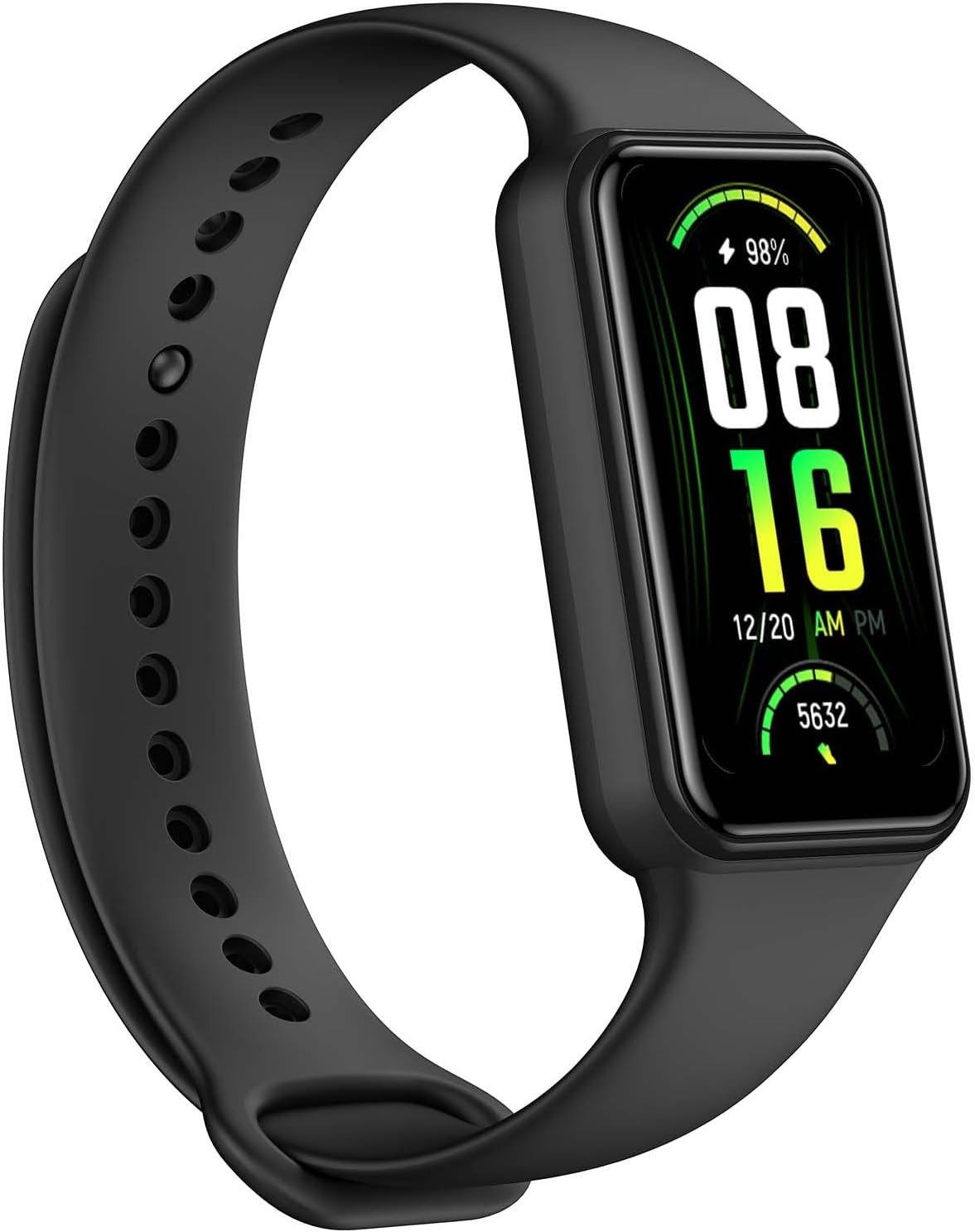
The Amazfit Band 7—the finest example of how affordable high-quality fitness tracking can be in the year 2026.I feel that most cheap trackers are just toys. Defunct by Wednesday; weak; incorrect. The Band 7 deviates from that trend.The battery life can last up to eighteen days. A month, not two weeks, is how often you’re billing this. With just that one tweak, the whole thing changes.On the flip side, there are 120 different sports modes that include continuous heart rate, oxygen saturation, and sleep monitoring. Data as good as what you’d get at three times the price.
The third feature is the built-in Amazon Alexa, which allows you to do things like check the weather, set timers, and control your smart home from the palm of your hand.Disadvantages: depends on your phone for outdoor distance and lacks built-in GPS. Sunlight reveals the screen.Who it’s best for: newbies, people shopping for gifts, and those keeping track for the first time. Those who prefer a more independent GPS system should not use this.
6: Fitbit Inspire 3

Introducing the Fitbit Inspire 3, the most comfortable version of the most trusted fitness tracker in the world.Lots of trackers just provide you numbers without any explanation. There is a lack of context about the shown data, including steps, calories, and heart rate. Fitbit takes care of that.Firstly, a bright AMOLED screen and a battery life of up to ten days. The 18 gramme weight is so negligible that you won’t even notice you’re wearing it—even when you’re asleep.Secondly, monitoring skin temperature, creating a profile of one’s sleep habits, and managing stress. Every night, it provides a breakdown of the stages of sleep and a score for morning readiness.
The third is Active Zone Minutes, which keeps tabs on your fat-burn, cardio, and peak-performance zones automatically, ensuring that your workouts are always productive.Caveats: access to more advanced functions requires Fitbit Premium. There is no GPS included into the device.Greatest for: people who are looking to improve their sleep quality, as well as newcomers who might benefit from daily guidance. Who this isn’t for: athletes who compete in outdoor events and rely on GPS.
5: Garmin Vivosmart 5

For those who desire comprehensive health statistics but do not want to lug along a cumbersome wristwatch, Garmin offers the Vivosmart 5.You may have used a fitness tracker in the past that only displayed your resting heart rate. Sure, but do you want to hit the gym hard or take it easy today? Directly answering that question is the Vivosmart 5.Body battery energy monitoring is the first step. A real-time, one-to-one score that is constantly adjusted according to factors like rest, stress, exercise, and recuperation. Rest and low score. Thumbs up, no problem. You won’t find any band-style tracker that offers such everyday clarity.
Second, the Garmin Connect app lets you know your body’s stages of sleep, trends in heart rate variability (HRV), patterns of stress, and your exercise history, so you can stop guessing and start knowing it.Lastly, there is a thin, lightweight band that can monitor your SpO2 levels and has a battery life of seven days. Wear it day or night without discomfort.Cons: without an integrated GPS system. Fashion takes a back seat to functionality in design.Who it’s best for: athletes who are focused on rehabilitation and data drives. Users requiring GPS will not be able to utilize this.
4: Fitbit Charge 6
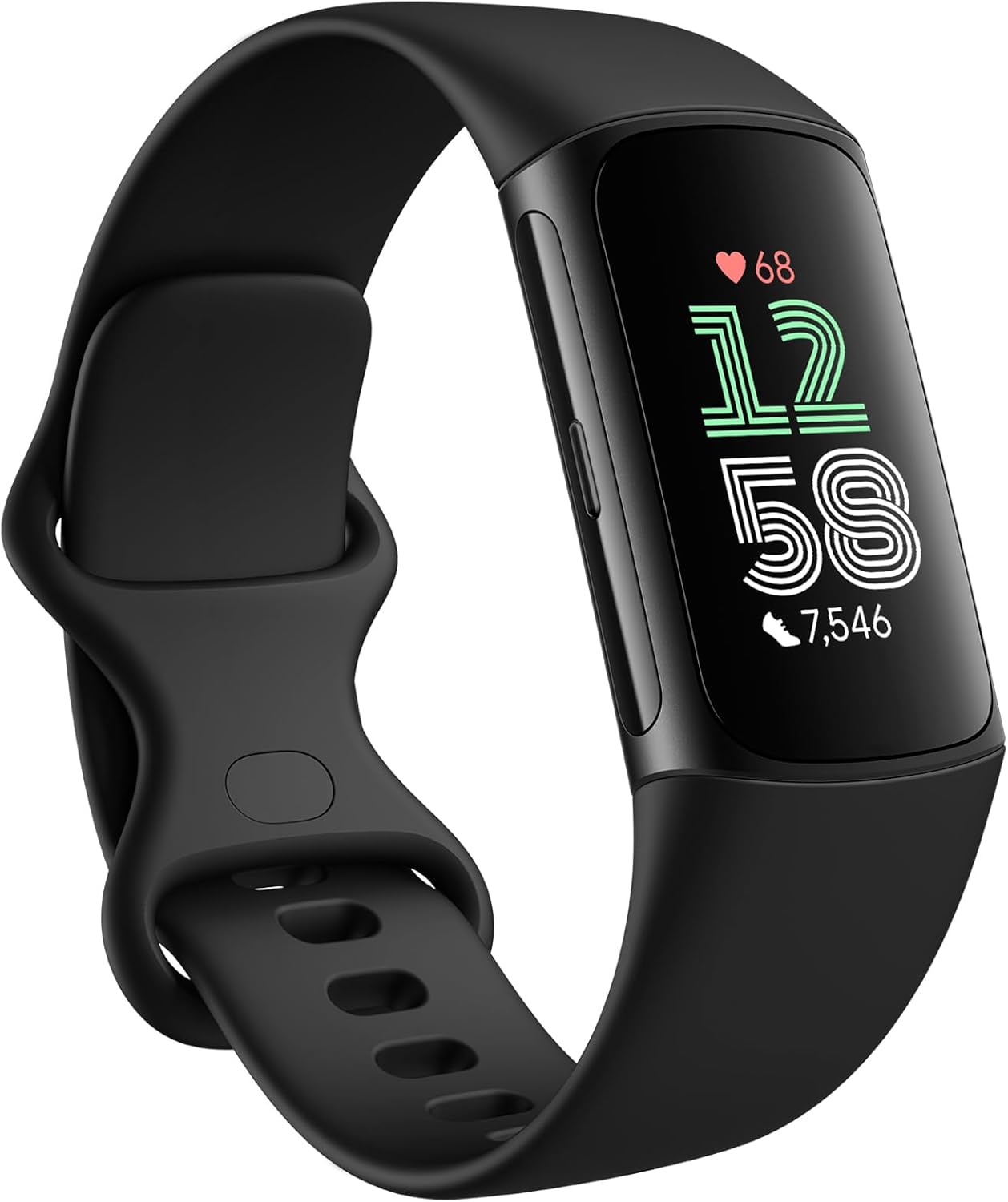
Here we have the Fitbit Charge 6, the most feature-rich fitness band of 2026, with Google Assistant pre-installed.Standard mid-range trackers typically require sacrifices. Skip payments if you want a GPS. Eliminate music and get maps. No amount of compromising will satisfy Charge 6.A built-in GPS system that uses Google Maps for turn-by-turn directions is the first. While riding or running, you can get actual directions on your wrist—no phone needed. No other item on this list accomplishes it in such a narrow band.Second, the controls for YouTube Music and Google Wallet. Pay anywhere with a tap. Reverse the order of your music without ever touching your phone. Transform your tracker into a full-fledged smartwatch.
Last but not least: an electrocardiogram (ECG) app, continuous electrodermal stress monitoring (EDA), and the ability to broadcast your heart rate in real time to fitness equipment that is compatible.Cons: Only Fitbit Premium can get the most profound information. Near densely populated regions, GPS has difficulty navigating.Apt for: Google users and fitness enthusiasts using linked machines. Users desiring Apple integration should not use this.
3: Fitbit Sense 2
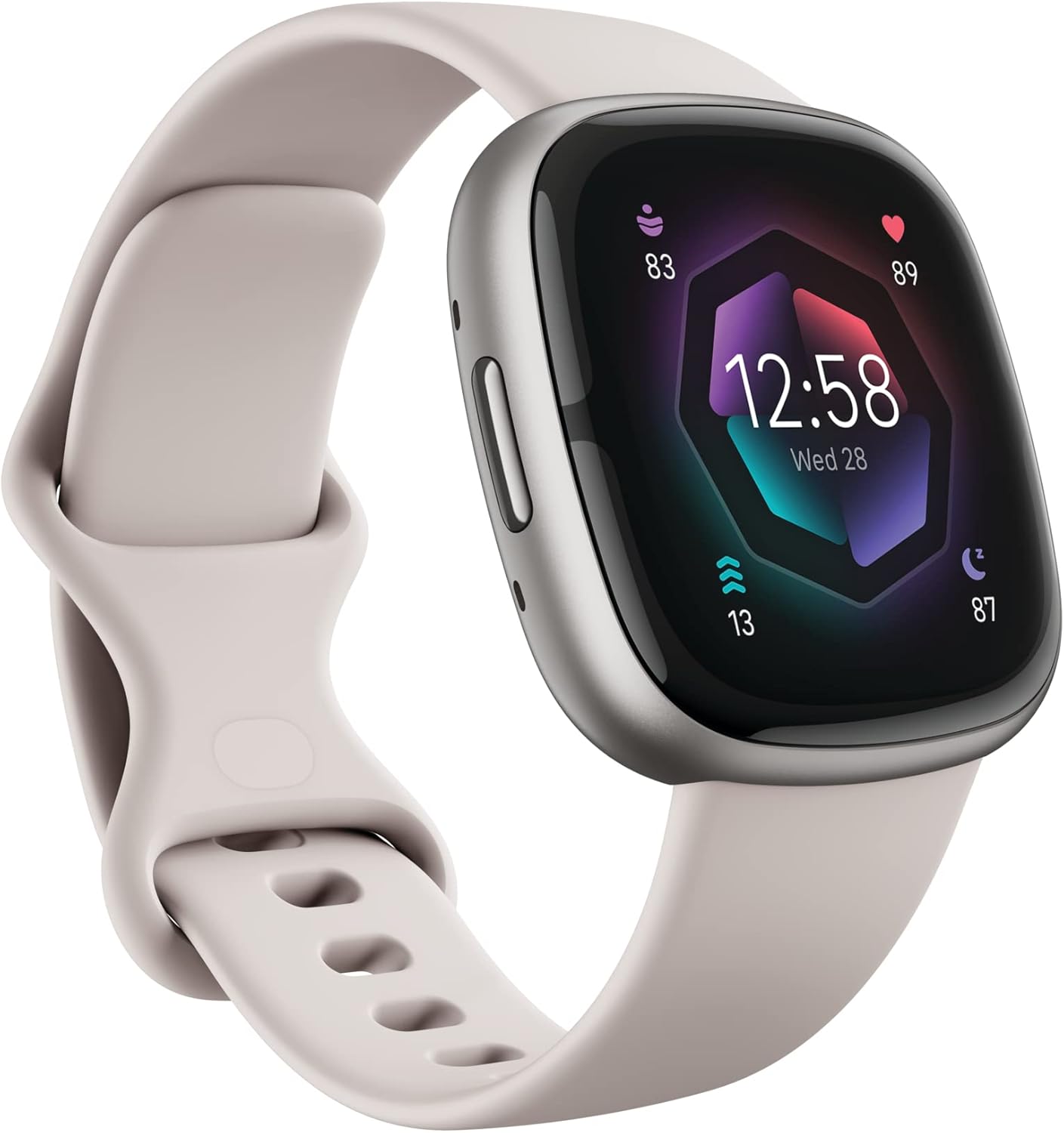
With the release of the Fitbit Sense 2, the fitness tracker transforms into a true health companion.The majority of wearables track exercise and heart rate. But stress, the silent killer of restful sleep and recuperation, goes mostly unnoticed. We set out to rectify that with the Sense 2.With more health sensors than any other device here, it is a full-featured smartwatch that is 10% thinner and 15% lighter than the original Sense.The first step is to use a Stress Management Score that tracks your electrodermal response (EDA) throughout the day, not only during sessions. This will allow you to check your stress levels continuously.
Additionally, there is a medical-grade sensor set that goes above and beyond standard trackers. It includes an ECG app, SpO2, notifications for unusual cardiac rhythms, and skin temperature.Lastly, it has Fitbit Pay, which is compatible with both iOS and Android, a 6-day battery life, and built-in GPS.Restrictions: unable to play music or use third-party applications.Suitability: health-conscious individuals, those who want to monitor their stress levels and sleep quality. This is not for you if you want to listen to music.
2: Garmin Vivoactive 6

You’ll find the most feature-rich fitness wristwatch on the market, and it will make a one-day battery life seem appalling.Unfortunately, any watch that claims to have all of these features—GPS, coaching, music, payments, and real health analytics—either disappears into thin air or costs an arm and a leg. One rule is violated by the Vivoactive 6.As a first feature, PacePro virtual pacing and a battery life of up to eleven days are available. A whole two weeks without charging, unlike competing smartwatches that require charging every night. Your energy levels are monitored continuously by Body Battery. Using real-time data, PacePro directs your precise running pace.
Secondly, the Garmin Coach adaptive training programs that provide animated exercise instructions for more than 80 different sports. Your recovery-specific plan is changed every day. No subscription required to use the built-in guided yoga, HIIT, strength, and Pilates programs.Thirdly, complete interoperability with iOS and Android, off-line music, and Garmin Pay. Ecology has no boundaries. Without exception.Downside: no electrocardiogram or skin temperature monitor. Minimal reliance on apps developed by other parties.that it’s best for: energetic adults that want a GPS, coaching, music, and two weeks of battery life all in one. Warning: This is not for Apple fans or those just starting out.
1: Apple Watch Series 11

The Apple Watch Series 11, the most cutting-edge health and fitness wristwatch now available, is the greatest fitness tracker for 2026.In terms of functionality, the Apple Watch is unrivaled by any of the other devices here. Before you eat lunch, you can check your sleep quality, run with pace guidance, pay with a tap, receive a call on your wrist, and examine medical-grade cardiac statistics.First, a medical-grade display that constantly records your heart rate, detects irregular heart rhythms, monitors your blood oxygen levels, skin temperature, and crashes.A close second is the most extensive ecosystem for smartwatches now available, which includes features like Apple Pay, offline Apple Music, Siri, a plethora of fitness applications, and a seamless connectivity with iPhone, AirPods, AND Apple Health.
There is no other way to connect your digital life to this extent.Third, features designed to encourage regular movement every day, such as automated workout recognition, Activity Rings, and daily movement coaching.This is only compatible with iPhones; sorry, Android users, this won’t work for you. You charge it at night, and it lasts for 18 hours.Ideal for: Those who want the finest for their iPhone. Those who value extended battery life or use Android devices should not use this.
Things to Consider Before Buying a FITNESS TRACKER:
Fitness trackers come in various forms to suit different user needs. Key options include basic activity bands, advanced smartwatches, and specialized sport watches. Each type offers unique features and functionalities, influencing your overall experience and effectiveness.
Basic Activity Bands for Casual Users
Simple and user-friendly, basic activity bands track necessary metrics like steps, calories burned, and sleep patterns. Ideal for casual users, these devices are often budget-friendly and lightweight, making them a great entry point for beginners. Consider these if you’re primarily interested in tracking daily movement without the complexities of advanced features.
Premium Smartwatches and Specialized Sport Watches
Premium smartwatches and specialized sport watches cater to serious athletes and fitness enthusiasts. These devices offer advanced tracking features, including heart rate monitoring, GPS, and personalized training insights. They also often integrate with various apps, providing a comprehensive fitness experience for users committed to reaching their goals.
These high-end devices incorporate cutting-edge technology, enabling real-time tracking and analysis of workouts. Premium smartwatches offer lifestyle features like messaging, music control, and customizable watch faces, while specialized sport watches may include additional metrics specific to activities such as swimming or cycling. Investing in one of these trackers can significantly enhance your fitness journey, providing both motivation and detailed feedback to optimize performance.
Advantages of Real-Time Biometric Feedback
Real-time biometric feedback allows you to monitor your body’s responses during workouts, leading to more informed fitness decisions. Instant data can improve workout efficiency, helping you gauge intensity and adjust accordingly to meet your goals.
Understanding Data Privacy and Subscription Costs
Data privacy and subscription costs are significant considerations when choosing a fitness tracker. Some devices require subscription fees for premium features, while others offer free access but may share personal data with third parties.
Understanding the balance between cost and data security is crucial. Many fitness trackers may provide basic functionalities at no charge, but premium features often involve ongoing expenses. With increased concerns over data privacy, assessing how your information is used and stored is key before committing to any subscription plan or device.
Identifying Personal Fitness and Wellness Goals
Defining your fitness objectives is the first step. Are you aiming for weight loss, improved endurance, or general health monitoring? Pinpointing these goals will help you choose a tracker that aligns with your aspirations.
Verifying Smartphone Compatibility and App Interface
Ensuring compatibility with your smartphone enhances usability. Check if the fitness tracker supports your device’s operating system and explore the app interface for ease of navigation and data visualization.
Compatibility guarantees that your fitness tracker syncs effortlessly with your smartphone, allowing easy access to metrics. An intuitive app interface simplifies data tracking, helping you make informed decisions about your fitness journey. Remember to evaluate user reviews for insights on app performance to ensure satisfaction.
Assessing Build Quality and Water Resistance
Examine the build quality to ensure durability. Look for materials that can withstand regular wear and tear, along with a good water resistance rating. Your tracker should not only survive workouts but also daily activities like rain or accidental splashes.
Balancing Budget with Necessary Features
Identify which features align with your fitness goals before making a purchase. Balancing between affordability and necessary functionality is key. Opt for a tracker with the necessary metrics you want, while avoiding unnecessary extras that can inflate the price.
Establishing a budget involves understanding not just your current needs but also potential future requirements. Some features, like GPS or heart rate monitoring, can significantly enhance your experience, yet come at a premium. Prioritize which functions are necessary for your routine to ensure you make a sound investment in a fitness tracker.
Final Words
Ultimately, consider features like compatibility, battery life, and accuracy before purchasing a fitness tracker. Assess your fitness goals and how the device aligns with them. Evaluate user reviews for durability and customer support. Choosing the right tracker enhances your fitness journey and provides meaningful insights into your health.
Leave a Reply