
Hate watching your hard-earned money go to waste with spoiled groceries? The best vacuum sealers are your ultimate weapon for smart food preservation. Imagine finally locking in peak freshness and flavor, completely eliminating frustrating freezer burn for good. We’ve tested the top models to help you find the perfect food saver for your kitchen. Let’s explore the machines that will save you money and keep your food delicious, starting with our number one pick.
Contents
- Top 5 Vacuum Sealers:
- 1. Nesco Deluxe Food VS-12 – Best Vacuum Sealer Overall
- 2. Anova Precision Vacuum Sealer Pro – Best Pro-Grade Vacuum Sealer
- 3. ZWILLING Fresh & Save – Best Handled Vacuum Sealer
- 4. Anova Culinary Vacuum Sealer – Best Slim & Compact Vacuum Sealer
- 5. Bonsenkitchen VS2100 – Best Budget Vacuum Sealer
- Things to Consider Before Buying a Vacuum Sealer:
- External Vacuum Sealers
- Chamber Vacuum Sealers
- Size and Storage Options
- Advantages of Using a Vacuum Sealer
- Disadvantages to Consider
- Preparing Food for Sealing
- Maintenance and Cleaning
- Proper Sealing Techniques
- Common Mistakes to Avoid
- Incorrect Bag Usage
- Overloading the Vacuum Sealer
- To wrap up
Top 5 Vacuum Sealers:
1. Nesco Deluxe Food VS-12 – Best Vacuum Sealer Overall

If you’re tired of chucking berries that have gone mushy, or battling freezer burn on wild game and expensive cuts of meat, this NESCO VS-12 Deluxe Vacuum Sealer helps keep food fresher longer with less waste and expense. Every time you control the seal: choose from gentle vacuum pressure for softer foods or a stronger seal for more dense food. For added peace of mind, the double heat-seal option creates a wider seam and stronger seal to block leaks and air penetration.
You also have dependable air removal. A double vacuum pump system removes pockets of air more effectively, and flavor, texture and nutrients are better preserved. Operation is simple—the intuitive control panel platform and countdown timer communicate each step of the process, so you always know when sealing will occur.
Day-to-day use stays convenient. With its integrated roll storage and built-in bag cutter, you can now make custom-size bags in seconds, while the added compatibility with most replacement rolls lets you keep that endless bag rolling on. That flexibility comes in handy, whether you’re portioning out family packs of meat into meal-prep-friendly portions for the week or vacuum-sealing leftovers after dinner.
Noise exists, as is the case with most high-powered sealers, however the quick hum is noise we can accept in trade for increased suction and tighter seals.
If you want a vacuum sealer that adjusts to what you are sealing and offers the maximum protection, the NESCO VS-12 is the appliance for the job, and will withstand years of use helping save as much money on your grocery bill as possible.
2. Anova Precision Vacuum Sealer Pro – Best Pro-Grade Vacuum Sealer

If you’re looking for pro-level vacuum sealing, whether for sous-vide or your weekly meal prep, the Anova Precision Vacuum Sealer Pro provides the control and consistency to get it just right. You can adjust suction to what you’re sealing: Dry for dry foods, firm items and cuts of meat; Moist for moist to wet foods; Pulse to create a delicate vacuum action when you seal delicate foods or valuables. The accessory port and hose connect to FoodSaver vacuum sealers or to a handheld sealer (not included) for sealing containers, such as pots, pans and canisters, in the refrigerator and pantry.
You’ll do less struggling with liquids. There’s also a Moist mode and a delicate Pulsing feature that helps ensure even downflow when you’re sealing juicy sauces or oil-coated foods, keeping seals clean and strong. For these extended jobs, the Pro is engineered to tolerate repeat cycles without overheating, so batch sealing after a grocery run remains efficient.
Everyday use is streamlined. With built-in roll storage and an extra-large cutting bar, the FM2100 system is ideal for handling all kinds of fresh foods from venison to fish, and beef to wild game. The interface is intuitive — pick your mode, fire up the vacuum, and wait for a nice secure seal.
If you need a burly, kitchen-friendly sealer that can work with everything from fussy pastries to family-size proteins — and serve as a segue into sous-vide cooking — the Anova Precision Vacuum Sealer Pro is a wise buy. You have the accuracy of Pulse to fiend items, the speed and simplicity of Dry/Moist also at the press of a button (includes pre-sealed pack) vacancies for all.FoodSaver systemVoila.
3. ZWILLING Fresh & Save – Best Handled Vacuum Sealer

If you’re looking to slash food waste and preserve groceries, Zwilling’s cordless vacuum sealer makes it easy — and doesn’t chew up too much counter space. Imagine: You push a button, the air is banished and freshness locked in — and then you tuck the hand-held unit into a drawer until your next sealing session. The system works with Zwilling’s special bags and containers, the latter of which are real multi-taskers—safe to store in the freezer and for everyday cleanup in the dishwasher, as well as oven or microwave reheating, according to the brand.
You’ll also stay organized. The companion app enables you to scan containers, track what you stored and get a little warning before ingredients go bad, so you actually plan meals instead of guessing at what’s still good. When used regularly, the vacuum seal can help leafy greens stay crisp for 18 days — lessening those midweek produce runs or last-minute tosses.
Everyday operation couldn’t be simpler: fill, seal and label in under a minute. When it comes to liquids and raw meats, a little trick or three will take you far — chilling or pre-freezing for just a bit reduces draw-in, keep the bags themselves upright, use containers when you need extra spill protection.
If you’d like a space-saving, app-enabled system that saves time in the kitchen while prolonging freshness, Zwilling’s vacuum sealer is bringing pro-style storage to your home—with tools that fit how you really cook, shop and organize.
4. Anova Culinary Vacuum Sealer – Best Slim & Compact Vacuum Sealer
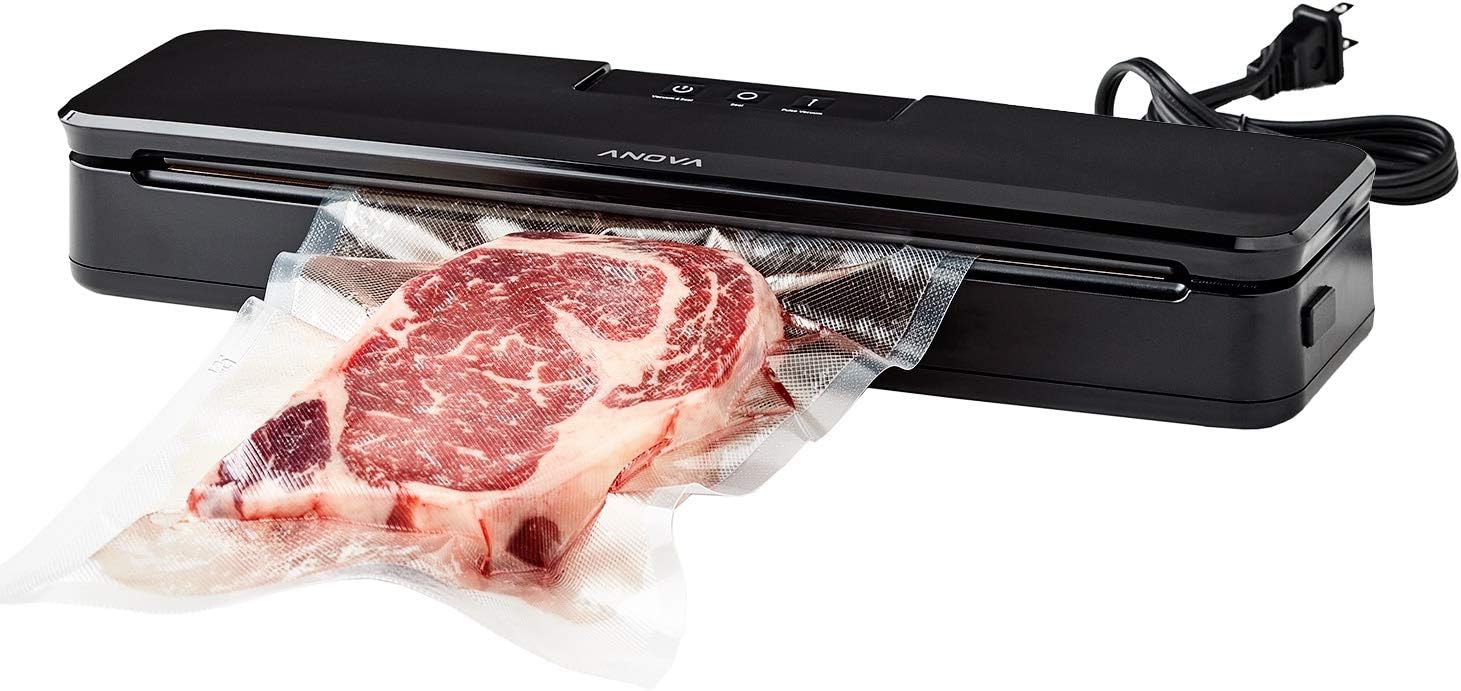
A smart fit for you: The slim, no-fuss vacuum sealer that nails sous-vide and weekly meal prep. With the Anova Culinary Vacuum Sealer, you get tight, reliable seals that keep air out so your bags stay fully submerged while cooking – keeping your food moist and sealing in flavor and the restaurant-quality results you expect. More than just Sous Vide: Seal, freeze, and store your portions ahead of time for weeknight cooking, reducing waste.
From chicken, fish, beef, pork, lamb, vegetable, and even eggs it locks in all the flavors, so your food comes out well-prepared every time. It’s easy to use: Simply attach it to any Anova or your favorite sous-vide circulator. Then drop your food into an Anova pre-cut or rolled bag, season and insert the open end, and press a button to remove the air and seal. It’s also good: If you need to stop the vacuum mold at a certain time or protect anything fragile, the pulse and seal will protect the nozzle from the right amount of suction.
It’s made for your kitchen because it’s compact, reliable, and cheap. In addition, the unit comes with ten pre-cut bags that allow you to start sealing out of the box, and it has an easy enough interface to keep the learning curve minimal. Looking for a slim sealer to assist with batch cooking, eliminate freezer burn, and always have a simple sous-vide result with little or no effort? That will keep your counter in check while consistently producing great results.
5. Bonsenkitchen VS2100 – Best Budget Vacuum Sealer

If you’re trying to save money on food waste, and need a large size for bigger meals or parties, the Bonsenkitchen VS2100 Food Saver offers fast and easy use. You’ll receive four smart modes to match what you’re sealing: “Vac & Seal” for durable items (meats and nuts, say); “Pulse Vac” for fragile foods like bread or soups; “Seal” to close snack or chip bags; and “Accessory,” if you’re doing jar sealing or sous-vide prep.
You’ll also save serious time. The VS2100 can seal up to 30 bags in 15 minutes’ time, so meal prep and buying in bulk won’t slow you down. Its strong suction and airtight seal help maintain the flavor and texture of food, and can preserve it for an extra 25 days—eliminating freezer burn or trips to the trash.
Daily use stays simple. Its one-button interface is easy to learn; it has status lights that keep you in the loop, and, at 3.78 pounds, it’s a compact little thing that won’t crowd your counter. Solid ABS construction with a nice looking silver finish cleans up easily after each use, and it works with most standard vacuum sealer bags so you won’t be locked into only one brand.
It’s a budget, adaptable vacuum sealer for when you don’t want to expose your groceries to the air but do on a daily basis; when you’d rather that pan out over days or weeks rather than hours. The VS2100 offers professional-style sealing in both function and form with fast operation as well—only without the premium price tag.
Things to Consider Before Buying a Vacuum Sealer:
Just because a model promises heavy-duty performance doesn’t mean it’s the right fit; assess how much food you plan to seal, whether you need a handheld, chamber, or external unit, bag compatibility, seal strength, ease of cleaning, warranty and maintenance costs, and how well it preserves different foods; weigh noise, size, and smart features against your budget and storage needs to choose the most practical option for you.
External Vacuum Sealers
External sealers clamp the bag open end and evacuate air externally, which makes them fast for single bags and rolls; most achieve 90–95% air removal and complete a seal in under 10 seconds for home models. You can use zipper bags, pre-cut pouches, and roll film, but avoid raw liquids or very wet items since these units struggle with fluid draw and inconsistent seals.
Chamber Vacuum Sealers
Chamber machines enclose the bag so pressure equalizes and liquids stay put, enabling reliable sealing of soups, marinades, and wet proteins; typical cycle times run 20–60 seconds depending on pump horsepower and chamber volume. You’ll get deeper vacuums (often down to 1–10 mbar), consistent seals for sous‑vide, and the ability to batch dozens per hour with mid‑range commercial models.
Restaurants and food labs favor chamber units for repeatability and liquid handling—models like the VacMaster VP215 offer a 16×15-inch chamber and oil pump suited to high cycles; you should budget for pump maintenance (oil changes every 6–12 months on oil pumps), consider dry‑pump options to reduce upkeep, and verify electrical and footprint requirements before purchase.
Size and Storage Options
Look at actual dimensions: compact external sealers typically measure 13–16″ wide, 4–6″ tall, and weigh 6–10 lb, while chamber units often run 18–25″ wide and 20–60 lb, requiring countertop or cabinet space. Check if the unit offers vertical storage, cord wrap, or integrated roll storage to minimize clutter; a built-in bag cutter and roll compartment saves space if you use custom bag lengths. Choose a footprint and weight that match your kitchen layout and how often you’ll move the machine.
Advantages of Using a Vacuum Sealer
You can double or triple refrigerator life for many foods and extend frozen storage: for example, vacuum‑sealed meats often keep well for 2–3 years in the freezer versus about 6–12 months when loosely wrapped, while deli items and cheese retain quality up to several weeks longer; enhanced shelf life, space savings, and sous‑vide readiness make the device a practical tool for meal planning and bulk purchases.
Disadvantages to Consider
You face trade‑offs such as upfront purchase price, ongoing bag costs, and extra steps for delicate items or liquids; some foods require special prep (pre‑freezing, using a chamber sealer, or protective packing) and improper storage can create anaerobic environments that increase certain food‑safety risks.
Safety-wise, you should avoid vacuum sealing items like garlic‑in‑oil, cooked rice, or low‑acid cooked vegetables for room‑temperature storage because Clostridium botulinum thrives anaerobically; always refrigerate at 40°F (4°C) or below for short‑term storage and freeze for long‑term, follow USDA guidance for timelines, and factor in consumables cost (bags/rolls) and machine warranties when evaluating total ownership cost.
Preparing Food for Sealing
Pat meats and produce dry to reduce moisture at the seal, portion into meal-sized packs, and blanch vegetables for 2–3 minutes to stop enzymes that degrade texture and color; leave 1–2 inches of headspace in each bag, remove large bones or sharp edges, and consider using a paper towel liner for oily or crumbly foods to keep the seal clean.
Maintenance and Cleaning
Unplug the machine before cleaning, wipe the sealing strip and chamber with a damp cloth and mild detergent, empty and rinse any drip tray after each heavy session, and inspect the gasket monthly for cracks or residue—replace gaskets and sealing strips every 6–12 months with frequent use to maintain vacuum strength.
For elevated upkeep, remove the drip tray and clean crevices with a soft brush or cotton swab, avoid immersing the main unit in water, and, if your model has an oil pump, follow manufacturer guidance to change oil—commonly around every 200 operating hours or annually; run a test bag after maintenance to verify consistent vacuum pressure.
Proper Sealing Techniques
Wipe any liquid or crumbs from the seal area, smooth the bag to remove air pockets, and leave about 1 cm margin between food and the seal line. For delicate items like chips or berries, use the pulse or gentle vacuum setting and stop at roughly 70–80% vacuum to avoid crushing. Perform a second 3–4 second seal on oily foods to reduce leaks.
Increase seal time by 1–3 seconds for thicker bags or fatty cuts; most external sealers reach about 23–26 inHg so heavier foods may need longer heat. Freeze liquids on a tray for 30–60 minutes before sealing, use absorbent paper for wet berries, and orient rigid items flat to ensure uniform contact with the sealing bar.
Common Mistakes to Avoid
Using the wrong bag type, failing to leave adequate headspace, vacuuming liquids without pre-freezing, and overfilling the chamber are the most common errors. Use freezer-grade or embossed vacuum bags for long-term storage, leave 2–3 inches of bag above the food for a proper seal, and double-bag sharp or crumbly items to prevent punctures and air leaks that lead to freezer burn within weeks.
Incorrect Bag Usage
You can’t substitute regular zipper or thin grocery bags for purpose-made vacuum sealer bags; their permeability lets oxygen in and shortens storage life. Choose embossed or textured vacuum bags for external sealers, and sous-vide–rated bags when you plan to cook sous-vide. Always leave 2–3 inches of empty bag at the top for the seal bar and protect pointed bones or brittle crusts with a layer of foil or paper.
Overloading the Vacuum Sealer
Packing multiple thick pieces or bulky items into a single bag prevents complete air removal and weakens seals; limit contents to a single layer or total thickness under about 1.5 inches, or seal items separately. Overloading increases cycle time, raises the chance of seal failures, and can reduce the effective vacuum level so food spoils faster.
Frequent overloading stresses the pump and heating element—many consumer units recommend duty cycles or rest periods in their manuals (for example, sealing 10–12 bags followed by a 5–10 minute cool-down). To avoid wear, slice large cuts into thinner portions, pre-freeze moist items, and stagger cycles so the machine runs at optimal vacuum and seal temperatures. Checking your model’s specifications prevents warranty issues tied to misuse.
To wrap up
From above, evaluate your typical sealing needs, bag compatibility, sealing strength, build quality, and maintenance requirements; compare features, warranty, and long-term cost so you select a vacuum sealer that matches your food types, usage frequency, kitchen space, and budget for dependable performance.
Leave a Reply