
Finding the best workout headphones can be a frustrating exercise in itself. Are you tired of earbuds falling out mid-run or getting ruined by sweat? We’ve put the top contenders to the test, focusing on secure fit and incredible, sweat-proof audio. This guide reveals the ultimate pairs designed to stay locked in and power your every move. Let’s dive in and find the perfect audio companion to help you crush your fitness goals.
Contents
- Top 5 Workout Headphones:
- 1. Beats Powerbeats Pro 2 – Best Workout Headphones Overall
- 2. Samsung Galaxy Buds3 Pro – Best Workout Headphones for Android Users
- 3. SHOKZ OpenRun Pro 2 – Best Open-Ear Workout Headphones
- 4. Apple AirPods Pro 2 – Best Workout Headphones for Apple Users
- 5. JLab GO Air Sport+ – Best Budget Workout Headphones
- Things to Consider Before Buying a Workout Headphone:
- Wired vs. Wireless
- Earbuds vs. Over-Ear
- Sound Quality
- Comfort and Fit
- Battery Life
- Identify Your Workout Style
- Consider Environmental Noise
- Advantages of Using Headphones
- Disadvantages to Keep in Mind
- Conclusion
Top 5 Workout Headphones:
1. Beats Powerbeats Pro 2 – Best Workout Headphones Overall

Beats Powerbeats Pro 2 If you like to push your workouts hard, Beats’ Powerbeats Pro 2 provide stability, focus and stamina in one gym-ready package. The secure-fit ear hooks ensure a fit so comfortable and good, you won’t need to think about anything other than your workout. For focus, you have Beats’ most powerful Active Noise Cancelling to block out treadmills and clanking weights with a quick-switch Transparency mode that lets you scan traffic, hear a coach’s cue or your gym partner.
And you’ll receive some valuable training insight. And built-in heart-rate sensors sample more than 100 times a second to get the most accurate information on pulse — in real time — without having to check your watch. Sweat and the elements are no problem due to an IPX4 water-resistant rating, so you can push yourself further if you’re training hard in rain or heat.
With the Apple H2 chip in, Powerbeats Pro 2 work swiftly for quick pairing and long-term connection stability as well as low-latency audio experience that ensures voice prompts and rep timers stay synchronized. Battery life reaches a high of 45 hours with the charging case; more than enough for a full week’s worth of workouts. And the case is 33% smaller than the previous version and is Qi wireless charging enabled, so it’s easy to pile up hours of listening time at home or on the go.
Opt for the Powerbeats Pro 2 if you prefer secure, long-haul muscle buds with solid ANC, real-time heart-rate tracking and enough juice to stay in step with your workout plan.
2. Samsung Galaxy Buds3 Pro – Best Workout Headphones for Android Users

If you’re after workout-friendly Android earbuds with smart noise control and a comfortable fit, the Samsung Galaxy Buds3 Pro serve up refined sound and useful training tools. The new in-ear form stays comfortable for long sessions, and its earcups passively block out noise so you can focus on pace, form and playlist without fatigue. A thin outer lining adds an understated glow that goes above and beyond on the commute or in the gym.
You’ll receive noise control that adjusts as your surroundings do. And as soon as you step off the treadmill, it drains your battery—especially when a 50% charge nets only about five hours of listening with noise-canceling active. “Adaptive Active Noise Cancellation” (excluding these devices’ clever party trick: like on Samsung’s recent Galaxy Buds Pro, you can long-press to slightly pipe in sound from outside). An Adaptive Equalizer also adjusts how you are wearing the buds, automatically optimizing sound no matter your activity — so whether you’re warming up or sprinting around the gym, you’ll have balanced detail and punchy bass.
Controls are fast and intuitive, allowing you to skip between tracks, receive calls or change modes without throwing off your rhythm. And thanks to innovative true wireless connectivity, you won’t have any annoying cords hindering your access to the open sound stage that’s just waiting for your favorite tracks.
If you’re looking for workout-ready earbuds that give you adaptive sound, tune audio to your fit and immerse you with cinematic clarity, Galaxy Buds3 Pro are perfect for Android users who train hard and listen carefully.
3. SHOKZ OpenRun Pro 2 – Best Open-Ear Workout Headphones

If you crave open-ear headphones that leave you aware of your surroundings without compromising punchy sound, the SHOKZ OpenRun Pro 2 are designed for your outdoor training. Dual drivers combine bone-conduction deliver crisp highs and mids with air-conduction bass, for a whole new sound experience that leaves your ears open to the world around you. You remain mindful of traffic, a teammate or call from the course marshals and leak-resistant acoustics keep your audio personal.
The result is a secure, forget-it’s-there fit that won’t require any adjustments. The ultralight unibody uses ergonomic ear hooks and a Ni-Ti memory wire to stay in place through sprints, intervals and long rides. The battery life holds for 12 hours – which is suitable for daily workout and regular commute on one single charge.
You can easily calibrate your sound from within the Shokz app. Exclusive EQ modes for music and voice: these presets were specially developed to optimize the sound of air under water, listen to Audio any time, anywhere with or without earplugs. STANDARD AND MODIFIED CLASSIC MODES Enhanced situational awareness and comfort: classic mode delivers pure Stafford bone conduction sound quality. Calls remain clear in wind thanks to the presence of two, wind-resistant mics and an AI-based noise-reduction algorithm that empties out up to 96.5% of background noise — even when it reaches wind speeds of 15 mph.
Choose OpenRun Pro 2 if you desire situational awareness, locked-in comfort, and sound quality that feels surprisingly rich from an open-ear design—perfect for runners, cyclists or anyone who trains by hearing the world around them.
4. Apple AirPods Pro 2 – Best Workout Headphones for Apple Users
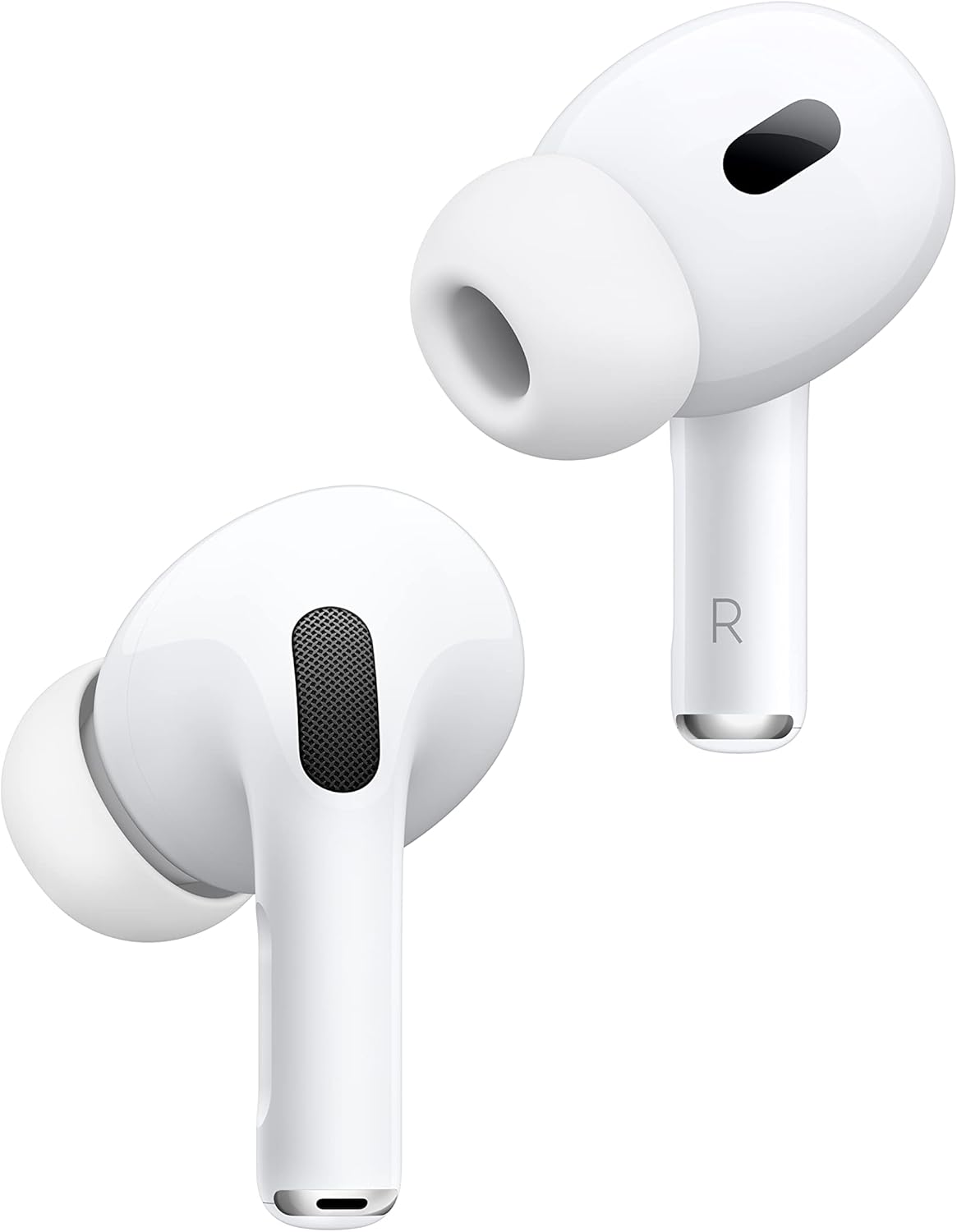
If all you want is a solid pair of workout earbuds that effortlessly integrate with your iPhone and Apple Watch, AirPods Pro 2 provide focused sound, smart awareness and secure, customizable fit. Active Noise Cancellation blocks out your environment so you can get focused on your music, calls or work, while the surrounding mode lets you be more aware of the world around you; Transparency Mode lets the outside in if you want to better hear traffic, a training partner or talk with a coworker. Meanwhile, Adaptive Audio mashes the two together which it does on-air and Conversation Awareness automatically lowers your volume when you start speaking so that you can chat without stopping mid-run.
You’ll get more information with less of an effort. The Apple-designed H2 chip delivers top-of-the-line sound quality while enabling high efficiency playback, and Adaptive EQ automatically tunes the music to suit the shape of your ear for a rich, consistent listening experience in any setting. Custom acoustic design that delivers a unique listening experience personalized to you, Beats Studio Buds are the only true wireless earbuds with Active Noise Cancelling from Beats by Dre; Audio: On-device controls for music, calls, and voice assistant.
Fit and durability are dialed in for training. Comfortable seal: Four sizes of silicone tips mean you won’t be aware of the in game-comms or Kanye’s latest rap, and they help block out noise as well as keep the buds stable through sprints and circuits. The earbuds and MagSafe Charging Case are both designed with durable materials that make them IP54 dust, dirt, sweat and water resistant — so you can keep moving in heat and rain.
AirPods Pro 2 is your choice if you want convenience in Apple-style, with smart noise control and improved call quality, all-day comfort and workout durability – sports-friendly hearing health features include a valid Hearing Test, active Hearing Protection and Safe Listening tools to help you train harder.
5. JLab GO Air Sport+ – Best Budget Workout Headphones

If you need a pair of budget workout earbuds that will stay in place and keep up, the JLab GO Air Sport+ provide secure comfort, a long battery life and smart safety features without the premium price. The lightweight package employs ergonomic over-ear hooks that stay put on your ears — even if they’re relatively tiny — so you can sprint, lift and stretch without constant adjustments. Switch to the included gel tips for a more secure seal that enhances the bass while insulating against outside noise.
You’ll also get durability to match the hard sessions. With an IP55 rating, these earbuds can fend off both sweat and dust, so you can wear them for that expensive daily workout without a worry. Battery life is decent for this type of earbud: up to 9 hours with the charging case offering an additional five charges, or a total of “over 35+ hours” as Optoma phrases it. Toss the buds back in the case for fast top-offs, and recharge the case via its built-in USB cable; no additional cord to take along.
For the situationaly aware, Be Aware Mode allows ambient noise in so you can hear traffic, gym calls or a running partner. Fast pairing on Android is fairly painless with Google Fast Pair, and you can find lost earbuds directly from your phone.
If you’re looking for secure-fit, sweatproof earbuds with realistic safety features and week-long power, grab the GO Air Sport+.
Things to Consider Before Buying a Workout Headphone:
Over time you’ll learn that choosing the right workout headphones demands attention to fit and stability, water and sweat resistance, battery life and charging speed, sound profile and isolation versus situational awareness, wireless reliability, comfort for long sessions, and easy-to-operate controls; weigh these factors against your typical activities and budget so your purchase supports performance and safety.
Wired vs. Wireless
You get zero latency and unlimited runtime with wired options, ideal for instructor-led classes or cycling trainers, while wireless removes cable drag and offers codec choices—AAC, aptX, LDAC—that affect audio quality and latency; expect 6–30 hours battery life depending on form factor, and consider lossless/low-latency needs if you use training apps that rely on tight audio-video sync.
Earbuds vs. Over-Ear
Earbuds weigh roughly 5–10 g each and provide portability and situational awareness when open or bone-conduction designs are used; over-ear models use 40–50 mm drivers for deeper bass, offer ANC that can cut 20–35 dB of ambient noise, but add weight (200–350 g) and heat—pick based on whether you prioritize isolation and soundstage or mobility and airflow.
For more detail: earbuds fit choices (seal vs open) change bass response and passive isolation—sealed silicone or foam tips boost low-end. Over-ear cups distribute pressure across the head, improving comfort for long wear but can trap heat during cardio. If you run roads, bone-conduction or open earbuds increase safety; if you lift in a noisy gym, ANC over-ears or tightly sealing earbuds reduce distractions. Assess driver size, fit, and airflow against your typical workout intensity and environment.
Sound Quality
You should compare driver sizes (commonly 6–12 mm for earbuds), frequency response (roughly 20 Hz–20 kHz) and codec support (aptX, AAC, SBC) to match your needs; aptX/LDAC help with higher-resolution audio, AAC is important for iPhone users, and low latency matters for video. For HIIT choose models tuned for punchy bass, while long runs benefit from clear mids for podcasts and vocals.
Comfort and Fit
You want lightweight buds—aim for under 10–12 g each—with multiple silicone or foam tip sizes and optional ear wings or hooks to stay secure during sprints; over-ear hooks or neckbands add stability for intense movement. Ergonomic shape and low clamping force reduce pressure points so you can wear them through a full workout without discomfort.
Try memory-foam tips for a tighter seal and better passive isolation, swap sizes until you pass a brisk shake test, and prefer breathable materials for long sessions; foam often improves bass and seal, while silicone is easier to clean. If choosing on-ear or over-ear headphones check pad pressure and clamp force by wearing them for 30–45 minutes to gauge long-term comfort.
Battery Life
You should expect true wireless earbuds to deliver roughly 6–12 hours on a single charge and 20–40 hours with the charging case, while over-ear models commonly offer 20–40 hours per charge. Fast-charge features often give 1–2 hours of playback from a 10–15 minute boost, and enabling ANC can cut runtime by about 20–50% depending on model and volume.
Note that lithium-ion cells typically degrade after several hundred full cycles, so check stated cycle life and real-world user reports; heat and deep discharges accelerate wear. To maximize longevity, keep firmware updated, disable ANC when not needed, and prefer models with quick-charge or replaceable batteries if you plan heavy daily use.
Identify Your Workout Style
If you run 30–90 minute outdoor routes you’ll want lightweight earbuds with transparency mode and an IPX6+ rating; for HIIT and CrossFit choose IPX7 models with earhooks or fins to prevent dislodging during jumps; when lifting or doing yoga indoors consider over-ear or snug in-ear buds for better passive isolation and lower latency (under 50–100 ms) for synced audio; cyclists should favor open-ear or bone-conduction to maintain road awareness while still getting clear cues.
Consider Environmental Noise
Gauge the typical dB where you train—busy gyms run ~70–85 dB and city streets often hit 75–90 dB—and decide if ANC (which can reduce 20–40 dB in low frequencies) or passive isolation suits you: ANC helps in noisy gyms and commutes, while transparency modes or open-ear designs keep you safe on roads; check measured attenuation and real-world reviews before committing.
Test ANC and passive isolation in conditions you actually face, use a smartphone dB app to compare before-and-after attenuation, and note ANC’s battery impact (often 15–30% extra draw). Sealed in-ear tips block high frequencies well, over-ear designs handle low-frequency hum better, and transparency modes vary—so if you train near traffic choose open-ear solutions or models with reliable ambient pass-through; consult lab tests (Rtings, What Hi‑Fi) for measured noise reduction numbers.
Advantages of Using Headphones
You gain consistent motivation and tempo control—music can improve perceived effort and pacing, which helps you push longer sessions. Many earbuds offer 8–30 hours battery, aptX/LDAC or AAC for better fidelity, and IPX4–7 ratings for sweat resistance. For interval work, low-latency models (aptX Low Latency ~30–40 ms) keep audio sync with on-screen workouts so you maintain cadence and form.
Disadvantages to Keep in Mind
You face real safety and hearing trade-offs: noise isolation hinders traffic awareness and loud volumes risk damage. Bluetooth issues like latency or occasional dropouts disrupt cadence cues, and cheaper models often lack durable seals, leading to corrosion from sweat that shortens lifespan.
In terms of hearing safety, exposure guidelines matter: 85 dB is considered safe for about 8 hours, and every 3 dB increase halves allowable time—so 100 dB equals roughly 15 minutes. For outdoor training choose open-ear or lower volume, check IP rating (IPX4 = splashes, IP67 = temporary submersion) for your activity, and test different fits to avoid pressure points or slippage during sprints and lifts.
Conclusion
Considering all points, you should prioritize fit, sweat and water resistance, sound isolation versus awareness, battery life, comfort for long sessions, and secure stability for movement; balance audio quality with durability and control options, check connectivity and app support, and match features to your training style so you get reliable, long-lasting performance.
Leave a Reply